Carbon capture projects that First Nations and Canadian industry build together

ICE is an Indigenous-owned consulting firm in Ontario. We help First Nation governments and Canadian companies plan carbon capture projects, form fair partnerships and see the work through, with deep technical expertise in biochar.

ICE logo: a feather that forms an eye, with a thunderbird at its centre and a line of pine trees

Anishinaabe roots. Indigenous owned. Ontario, Canada.

We work with both sides of the table

Good carbon projects in Canada need Nations and companies working as real partners. We help each side get ready for that partnership, then help them build it.

First Nation governments

Your Nation holds land, forests and the right to decide how they are used. We help you look at carbon opportunities on your own terms, understand what a project would mean for your community, and negotiate agreements that keep ownership and benefits with your people.

  • Assessing carbon opportunities on your lands
  • Community information sessions and engagement
  • Support reviewing and negotiating agreements
  • Training so community members can run the work

Corporate Canada

Your company has emissions targets and needs carbon removal that holds up to scrutiny. We help you build long-term partnerships with First Nations that are fair to everyone involved, well documented and built to last.

  • Early, respectful approaches to Nations
  • Structuring carbon removal projects and offtake
  • Technical due diligence on proposed projects
  • Reporting that buyers and registries will accept

On every project we're clear about who our client is, so everyone at the table knows where we stand.

What we do

Consulting services across Canada, from the first conversation about an idea to a working project that earns verified carbon credits.

Feasibility studies

We look at feedstock, land, logistics, costs and carbon markets, and tell you plainly whether a project makes sense before major money is spent.

Biochar project design

Biochar turns forestry and farm residues into a stable form of carbon that stays locked away for centuries. We help choose feedstock and production equipment, and plan where the biochar goes: farm soils, construction materials or land reclamation.

Carbon credit pathways

Choosing the right methodology, planning measurement and verification, and preparing the project for registration so its credits can be sold.

Partnerships and agreements

Working out how a Nation and a company share decisions, revenue and responsibility, and putting it in writing in terms both sides understand.

Community engagement

Meetings, plain-language materials and time for questions, so leadership and community members can make informed decisions about a project.

How a project moves forward

Every project is different, but most follow the same path.

  1. Listen first

    We meet with Nation leadership and community, or with your company's team, to understand goals, concerns and limits.

  2. Test the idea

    Technical and financial feasibility, with honest numbers and clear risks.

  3. Bring partners together

    We make introductions, facilitate the talks and help document the partnership.

  4. Build and verify

    Support through construction and operation, measurement and verification, and the issuing of credits.

Who you'll work with

A small team guided by Elders, so you deal directly with the people doing the work.

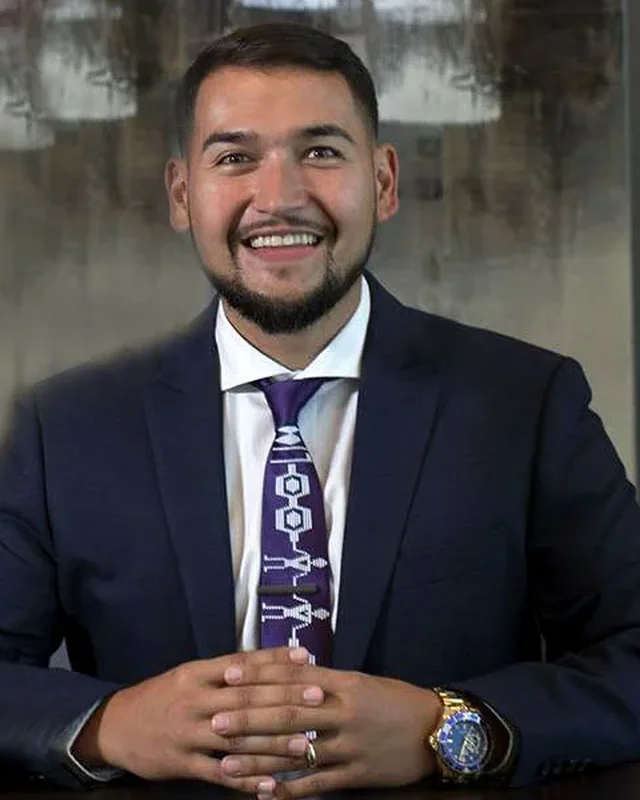
Portrait of Jonathon Araujo Redbird

Jonathon Araujo Redbird

Founder and Chief Executive Officer

Jonathon is a band member of Saugeen First Nation and the grandson of Elder Dr. Duke Redbird, Officer of the Order of Canada. He brings two decades of experience in senior management roles.

He is an award-winning entrepreneur, recognized for being a first mover in several industries: autonomous vertical take-off drones, access to cannabis for medical purposes under federal regulations, and major infrastructure loans for First Nation governments. Jonathon advises several publicly traded companies and is President of two First Nations investment corporations with over $100 million in assets. At ICE, he leads our relationships with Nation governments and corporate partners.
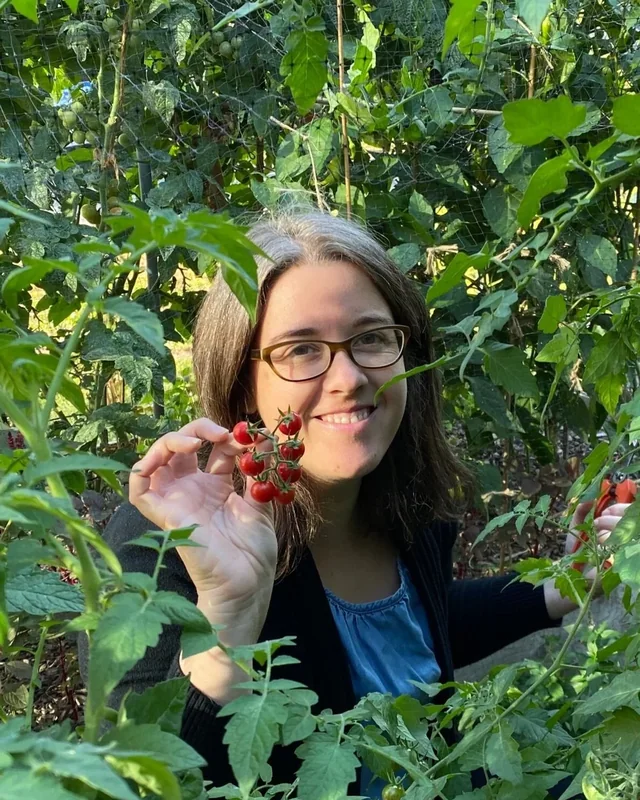
Portrait of Melanie Sifton, PhD

Melanie Sifton, PhD

Technical Lead

Melanie completed a PhD at the University of Toronto researching biochar and continues that research there as a postdoctoral fellow. Melanie has published studies on biochar in green roofs, urban soils and tree growth, including its effects on water quality and methane uptake.

Before that, Melanie was Director of the Humber Arboretum. At ICE, Melanie leads the technical side of our work: feedstock and production choices, carbon accounting, and the measurement plans that verifiers expect to see.

Elder Advisors

Two respected Anishinaabe Elders advise ICE on how we approach communities and carry out our work.

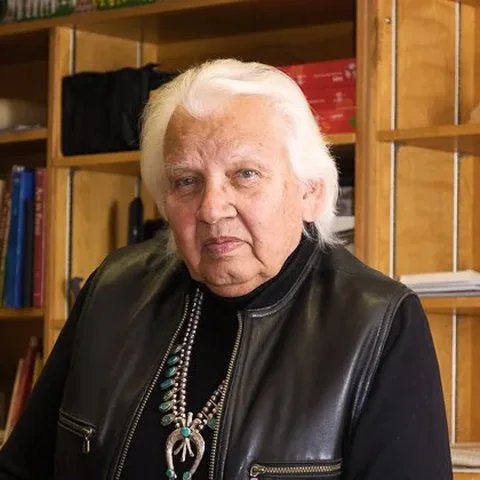
Portrait of Dr. Duke Redbird

Dr. Duke Redbird

Elder Advisor

An Ojibwe poet, journalist, broadcaster and scholar from Saugeen First Nation, Duke Redbird is one of the founding voices of First Nations literature in Canada. He is an Officer of the Order of Canada. A longtime advocate for Indigenous rights, he served as vice-president of the Native Council of Canada, holds a master’s degree in political science from York University and received an honorary doctorate from OCAD University. Duke advises several companies and leading post-secondary institutions, including the MIT Co-Creation Studio, and has advised on Sidewalk Labs, Alphabet’s urban innovation company.

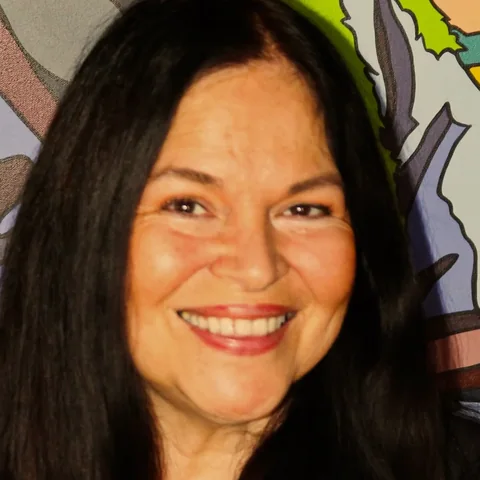
Portrait of Shelley Charles

Shelley Charles

Elder Advisor

Shelley Charles is Ojibwe Anishinaabe of the Muskellunge clan from the Chippewas of Georgina Island, and grew up at Cape Croker, raised by a grandmother. An Elder educator in communities, colleges and universities, Shelley holds a master’s in Indigenous Philosophy, has served as Dean of Indigenous Education and Engagement at Humber College, and has led the Indigenous Women in Agriculture project with the Native Women’s Association of Canada.

Start with a conversation

Tell us about your Nation, your company or the project you have in mind. A first call is a chance to see whether we're the right fit.